Passive Cooling and the Future of Tropical High-Rises
July 30, 2026
Julian Hayes
6 min read
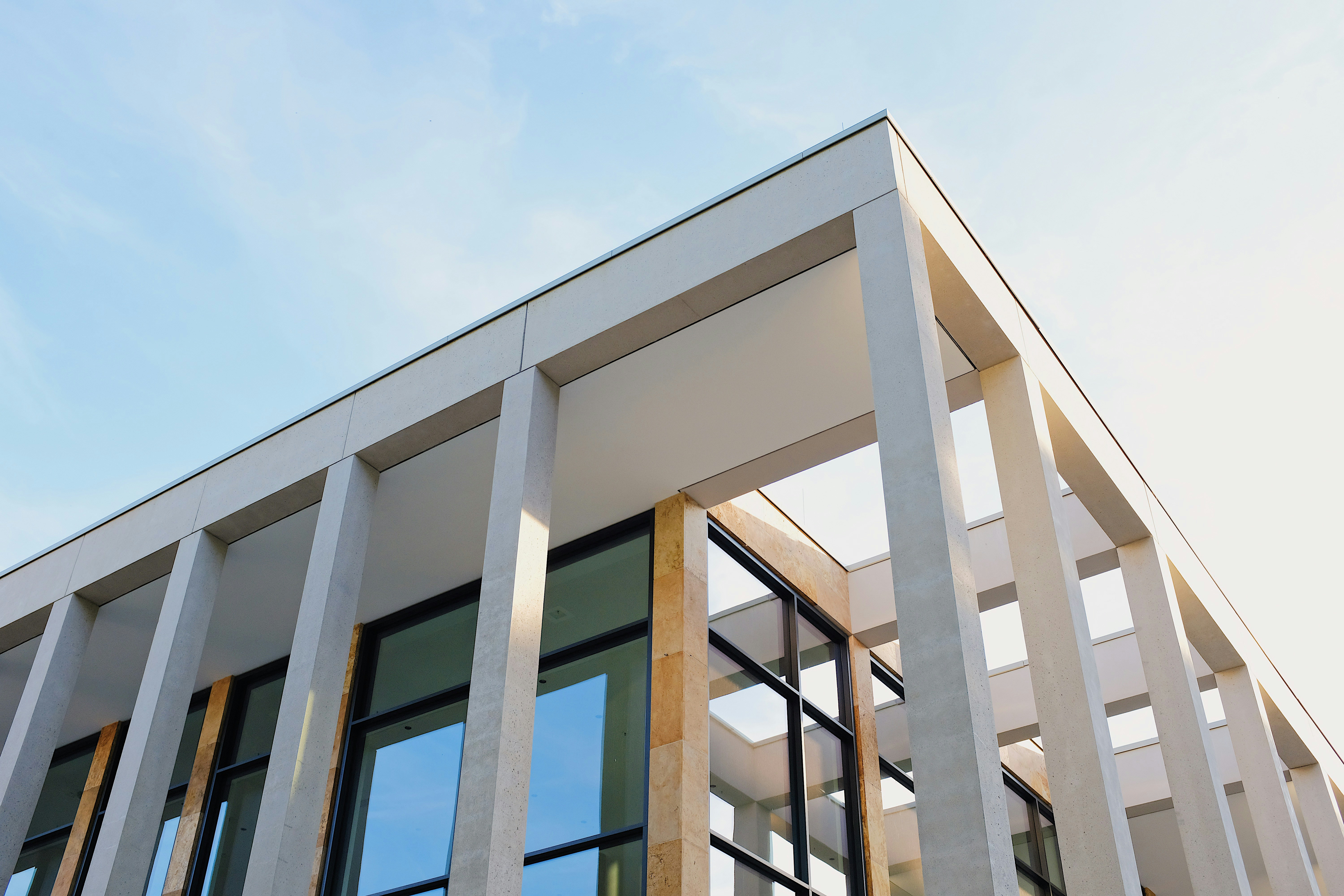
Designing for tropical climates presents a unique set of challenges, primarily driven by intense equatorial sun and high humidity. Passive cooling has emerged as a critical solution, leveraging natural forces rather than mechanical systems to maintain thermal comfort. Evidence demonstrates that passive design strategies—such as optimal building orientation, strategic shading, robust insulation, and natural cross-ventilation—can reduce a building's energy use by up to 50%. By meticulously studying local wind patterns and solar trajectories, architects can create high-rise structures that breathe naturally.
The future of tropical high-rises lies in the integration of dynamic facades and climate-responsive geometries. Features like kinetic louvers, deep roof overhangs, and trellised facades act as the building's first line of defense against solar gain. Passive ventilation systems utilize processes like thermal buoyancy and wind vacuums to effortlessly facilitate the movement of fresh air throughout a structure. When these architectural techniques are combined with biophilic elements—such as using vegetation for evaporative cooling and shading—the result is an environment that perfectly merges aesthetic beauty with high-performance function.
Our latest project, The Meridian, stands as a testament to these principles. By prioritizing daylighting and natural airflow over heavy reliance on artificial HVAC systems, we dramatically lowered operating costs and carbon emissions while improving occupant comfort. As urban densities increase in tropical regions, mastering passive cooling is no longer optional; it is the definitive blueprint for sustainable, climate-resilient cities.
MORE BLOGS
View More Blogs





Bring your vision to life with architecture that is thoughtful, refined, and built to last. Tell us about your project and let’s begin the conversation.
Start a conversation
Archera
Home
About
Blogs
Privacy Policy
Terms of Service