AI and Smart Systems: The Invisible Infrastructure
July 12, 2026
Maya Patel
4 min read

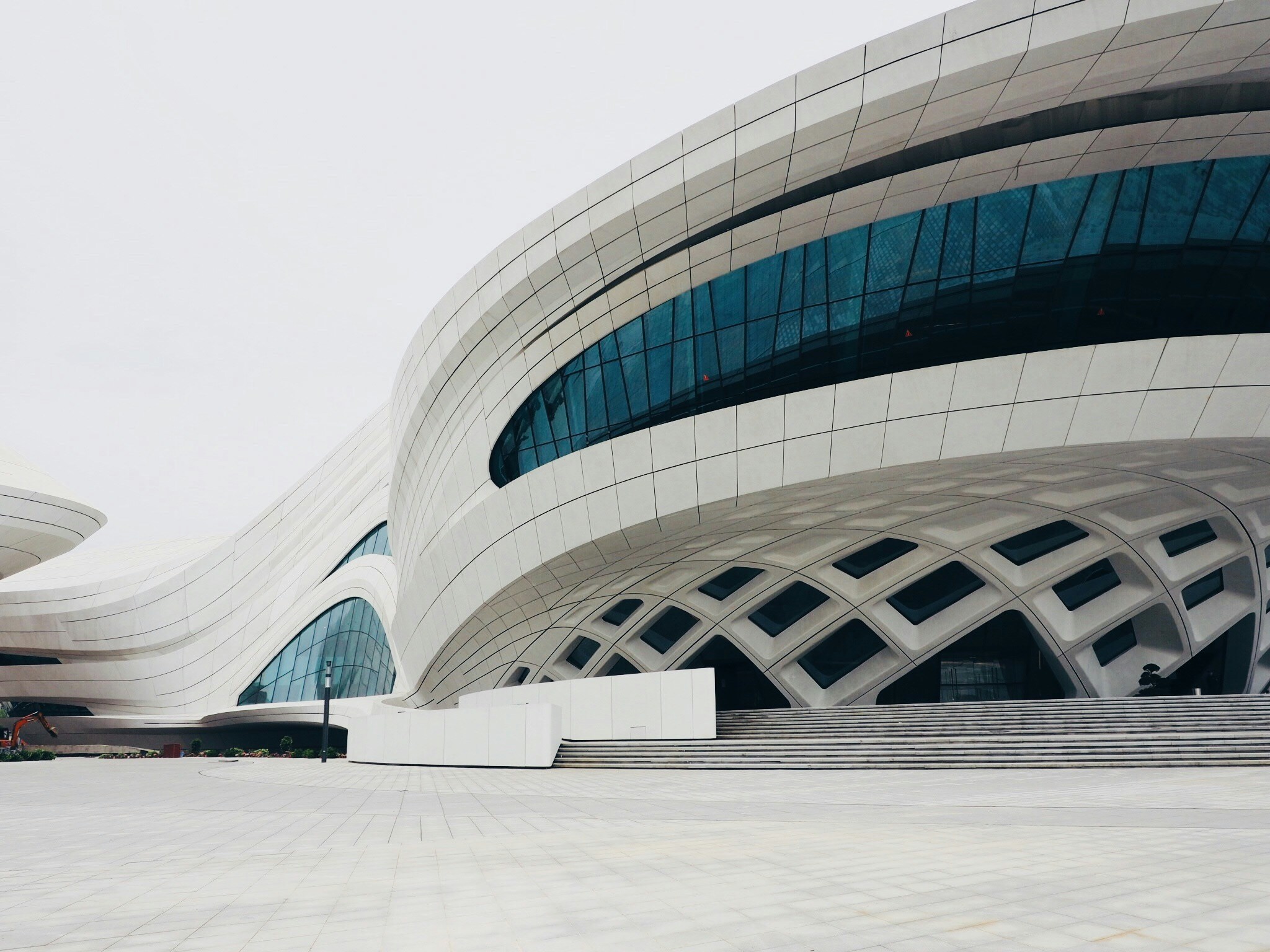
Behind the sleek facades of contemporary architecture, a silent revolution is taking place. Artificial intelligence and smart Internet of Things (IoT) systems are rapidly becoming the invisible infrastructure that dictates how modern buildings operate. Long before ground is broken, data-driven AI models and generative design algorithms are utilized to optimize a building's geometry, maximizing energy efficiency, daylight penetration, and structural integrity. This digital foresight allows architects to simulate decades of environmental impact in a matter of seconds.
Once constructed, a smart building essentially acts as a living organism. Networked sensors monitor real-time data to autonomously adjust climate control, lighting, and water consumption based on exact occupancy levels and exterior weather conditions. This means HVAC systems can intuitively lower output in empty conference rooms, while dynamic glass facades can automatically tint to reduce glare during peak sunlight hours. This real-time responsiveness drastically curbs energy waste without requiring manual intervention from the occupants.
The integration of smart infrastructure fundamentally elevates the human experience within the built environment. It creates spaces that adapt seamlessly to the needs of the user, offering unprecedented levels of comfort and personalization. By marrying physical architectural design with intelligent digital systems, we are moving toward an era of hyper-efficient buildings that actively contribute to their own sustainability targets.
MORE BLOGS
View More Blogs





Bring your vision to life with architecture that is thoughtful, refined, and built to last. Tell us about your project and let’s begin the conversation.
Start a conversation
Archera
Home
About
Blogs
Privacy Policy
Terms of Service